
Understanding How Duration and Inspection Failures Build a Slip and Fall Case
Key Takeaways: Proving a Norristown slip and fall case often depends on constructive notice, the doctrine that holds an owner responsible when a hazard existed long enough that a reasonably careful owner should have found and fixed it. The strongest evidence includes surveillance footage, inspection logs, photographs showing the hazard lingered, witness statements, and prior complaints. Notice connects the owner’s failure to act reasonably to your injury, and your status as an invitee strengthens the argument that inspection failures amount to a breach. Physical clues like dried liquid edges or footprints help establish duration. Acting quickly matters, since Pennsylvania imposes a two-year filing deadline and surveillance video is often deleted on short cycles. Preserving evidence early is the most reliable way to overcome the common lack-of-notice defense.
When a fall on someone else’s property leaves you injured in Norristown, one legal question often decides everything: did the property owner know, or should they have known, about the hazard that hurt you? In many premises cases, the owner never had direct knowledge of the danger, so victims must rely on constructive notice. This article explains what evidence tends to prove that "should have known" standard and why it matters for your recovery.
If you were hurt by a dangerous condition on someone else’s property, help is available. The team at Solomon, Berschler, Campbell & Thomas – Norristown Lawyers works to document how long a hazard existed and why reasonable inspections should have caught it. You can call our office at 610-279-4300 or reach out through our contact page to discuss your situation.
What Is Constructive Notice in a Slip and Fall Case
Constructive notice is a legal doctrine that holds an owner responsible when a hazard existed long enough that a reasonably careful owner should have found and fixed it. The idea rewards diligence and penalizes neglect. An owner cannot avoid responsibility simply by claiming ignorance if the danger was one a reasonable inspection would have revealed. What counts as a reasonable time to discover a hazard depends on the specific facts, including the nature of the condition and the character of the premises.
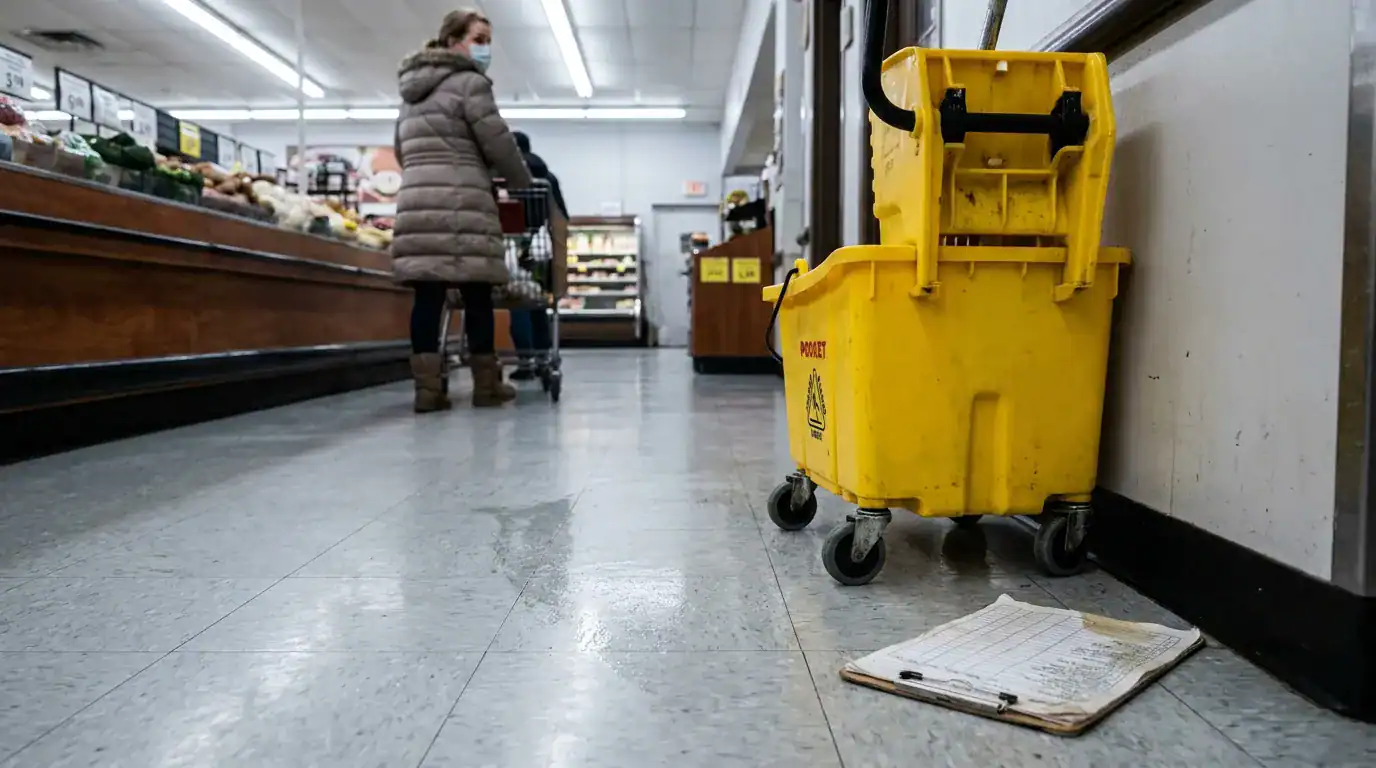
A concrete example helps illustrate the standard. A grocery freezer leaking for hours and creating a large puddle can give the store constructive notice because regular inspections likely would have revealed the hazard. The two ingredients are time and foreseeability of discovery. When both are present, a Norristown plaintiff can argue the owner should have acted.
💡 Pro Tip: Duration is the heart of constructive notice. Anything that helps establish how long a spill, defect, or obstruction was present, such as dried edges on a liquid or footprints through it, can be powerful proving property owner notice evidence.
Why Notice Sits at the Center of Premises Liability
Premises liability rests on the broader framework of negligence, and notice is what connects the owner’s conduct to your injury. Premises liability holds property owners accountable for injuries that occur on their property due to unsafe conditions, covering incidents including slip-and-fall accidents. The doctrine assumes owners will take reasonable steps to keep visitors safe. Notice is how the law measures whether they did.
Liability generally turns on a failure to act reasonably rather than on the mere fact of an injury. Property owners may be held liable if they fail to maintain safe conditions or provide warnings about hazards. That is why building affirmative evidence, not just describing your fall, is so important.
The stakes are real because falls cause serious harm. According to national fall research from the Centers for Disease Control and Prevention, about 37% of those who fall reported an injury requiring medical treatment or restricted activity for at least one day. Falls are the leading cause of injury for adults ages 65 and older, with over 14 million older adults reporting falls every year.
The Negligence Elements Behind a Norristown Claim
To succeed, an injured visitor generally must prove the standard elements of negligence, and notice fits within the breach analysis. The four negligence elements include duty of care, breach of duty, causation, and damages. Constructive notice is often how a plaintiff demonstrates that breach. If a reasonable inspection would have caught the danger, the failure to inspect can support the claim.
Your legal status as a visitor also shapes the duty owed to you. The level of the owner’s duty can depend on the visitor’s status as an invitee, licensee, or trespasser. For customers, the protection is generally at its highest. For an invitee, the owner has a duty to inspect for dangers, make prompt repairs, and warn of any hazards. A store customer in Norristown is typically classified as an invitee, which strengthens an argument that inspection failures amount to a breach.
Types of Notice Compared
Understanding the difference between actual and constructive notice helps you see what evidence to gather. The table below summarizes the distinction.
| Type of Notice | What It Means | Typical Evidence |
|---|---|---|
| Actual notice | The owner directly knew of the hazard | Employee reports, prior complaints, work orders |
| Constructive notice | The owner should have discovered the hazard | Duration proof, inspection logs, surveillance footage |
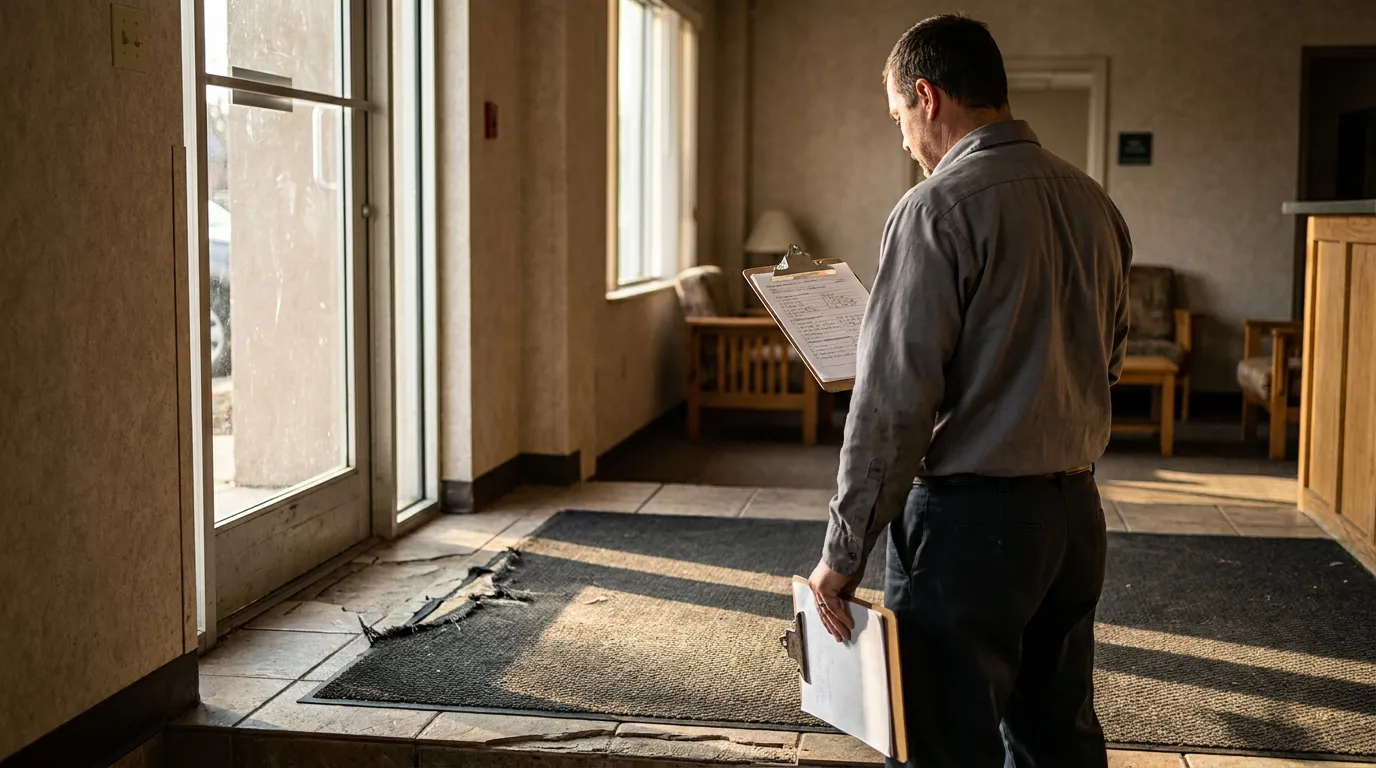
💡 Pro Tip: Ask whether the property had a written inspection or cleaning schedule. Gaps between logged inspections can help show that a reasonable inspection in Pennsylvania would have revealed the danger before your fall.
Evidence That Tends to Prove Constructive Notice
The strongest slip and fall evidence in a Norristown case usually focuses on time and on the owner’s inspection practices. Because owners frequently deny knowledge, plaintiffs must assemble proof affirmatively. An owner may argue they had no notice, meaning they neither knew nor had a reasonable opportunity to know about the hazard before the fall.
Certain categories of dangerous condition evidence tend to carry weight in premises cases:
- Surveillance or security footage showing how long the hazard was present
- Inspection, maintenance, and cleaning logs revealing missed checks
- Photographs of the condition, including signs it had been there a while
- Witness statements about when the hazard first appeared
- Incident reports and prior complaints about the same location
Learning what to do right after an incident can protect these sources of proof. For a practical walkthrough, review our guide on the steps Norristown residents should take after a slip and fall. Prompt action often preserves footage before it is overwritten and memories before they fade.
💡 Pro Tip: Surveillance video is frequently deleted on a short cycle. A prompt preservation request, sometimes called a spoliation letter, can help ensure key footage is not lost while your claim develops.
Acting Quickly to Protect Your Rights
Time limits matter, which is another reason to preserve evidence of constructive notice early. In Pennsylvania, personal injury claims are generally subject to a two-year filing deadline under 42 Pa. C.S. § 5524. Courts interpret exceptions to that deadline narrowly. Because these deadlines are fact-specific, you should confirm how they apply to your situation with an attorney.
The lack-of-notice defense is one of the most common obstacles plaintiffs face. Building your record early is the most reliable way to blunt that argument. Where evidence is thin, outcomes can depend heavily on the specific facts of your case.
When notice is established, the potential recovery can be meaningful. A successful claimant may seek compensation for damages such as medical expenses and lost wages. Keep in mind that Pennsylvania follows a modified comparative negligence rule (the ‘51% bar rule’) under 42 Pa. C.S. § 7102, so any recovery can be reduced by your share of fault and is barred entirely if you are found 51% or more at fault; a plaintiff found exactly 50% at fault may still recover damages, reduced proportionally. If you want to understand how a firm approaches these claims, learn more about our work as a dedicated Norristown slip and fall lawyer. Every situation is unique, and results depend on the evidence and the law applied to your facts.
Frequently Asked Questions
-
What is constructive notice in a slip and fall case, in plain terms?
It means the owner should have known about the hazard because it existed long enough for a reasonable inspection to catch it. You show duration and a foreseeable chance to discover it.
-
How is constructive notice different from actual notice?
Actual notice means the owner directly knew of the condition, while constructive notice is based on what they should have known. Constructive notice applies when the condition existed long enough that a reasonably prudent owner should have discovered it.
-
What evidence best shows how long a hazard existed?
Surveillance footage, inspection logs, and physical clues generally provide the clearest timeline. Dried liquid, tracked-through debris, and witness accounts can all suggest duration. Preserving these promptly is key.
-
Does my status as a store customer affect my claim?
Yes, it often strengthens it. For an invitee, the owner has a duty to inspect for dangers, make prompt repairs, and warn of hazards. Store customers are generally treated as invitees.
-
How long do I have to file a slip and fall claim in Pennsylvania?
Personal injury claims are generally subject to a two-year deadline under 42 Pa. C.S. § 5524. Exceptions are interpreted narrowly. Acting early protects both your deadline and your evidence.
Moving Forward After a Norristown Fall
Proving constructive notice comes down to showing that a hazard lingered long enough that a careful property owner should have found and fixed it. The elements of negligence, your status as an invitee, and the timeline of the danger all work together to establish premises liability in Norristown. Because the lack-of-notice defense is so common, the outcome frequently turns on how thoroughly and how quickly the evidence is preserved.
If you or a loved one was injured on unsafe property, do not wait to protect your rights. The attorneys at Solomon, Berschler, Campbell & Thomas – Norristown Lawyers are ready to help you gather the evidence that proving property owner notice requires. Call 610-279-4300 or visit our secure contact form to schedule a conversation about your slip and fall case today.