

Understanding DUI License Suspensions in Montgomery County
Key Takeaways: In Pennsylvania, license suspension length after a DUI in Norristown depends on your BAC tier, prior offenses, and whether you refused chemical testing. First-time General Impairment offenders (.08-.099%) face no suspension and no ignition interlock requirement, while High and Highest BAC tiers carry 12-month suspensions that increase to 18 months for repeat offenses. Refusing a breath test or driving under the influence of drugs triggers harshest penalties. The Accelerated Rehabilitative Disposition (ARD) program may shorten or eliminate suspensions for eligible first-time offenders. Restoring your privileges requires a PennDOT restoration letter, completed requirements, and fees, while limited license options like Ignition Interlock may keep you driving. Early legal guidance can meaningfully affect your outcome.
A DUI charge in Norristown can put your driver’s license at risk long before a courtroom weighs in on guilt. In Pennsylvania, suspension length depends on your blood alcohol concentration (BAC), prior offenses, and whether you refused chemical testing. Many first-time offenders at the lowest tier face no suspension, while higher tiers and repeat offenses can mean 12 to 18 months without a license. Understanding how these rules apply to your situation is the first step toward protecting your driving privileges.
If you are facing a DUI and worried about losing your license, the team at Solomon, Berschler, Campbell & Thomas – Norristown Lawyers is ready to help. Call us at 610-279-4300 or reach out through our contact page to discuss your options. Acting early often gives you more room to challenge evidence and limit consequences.
💡 Pro Tip: Keep every document PennDOT and the court send you. Suspension notices include deadlines and eligibility dates that can be easy to miss but difficult to fix later.
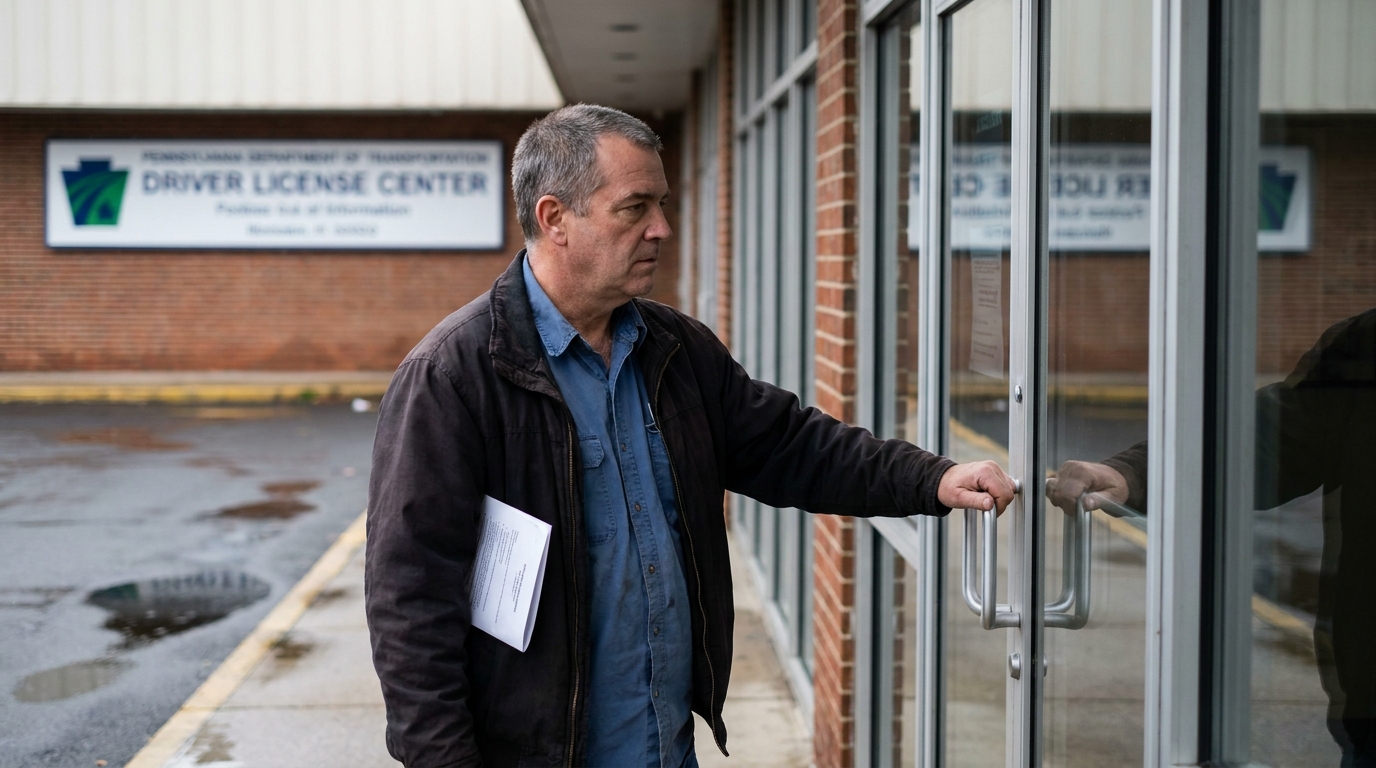
How Long Do You Lose Your License for a DUI in Pennsylvania?
The answer depends almost entirely on which tier your offense falls under and your prior record. Pennsylvania sorts impaired driving offenses into three tiers based on BAC, and suspension length increases with the tier and number of prior offenses. This structure is set out under Title 75 of the Pennsylvania Vehicle Code, specifically 75 Pa.C.S. §§ 3802 and 3804. You can review the framework through the state’s Pennsylvania DUI legislation resources.
Two factors can push a driver into the harshest penalty range regardless of measured alcohol level. Drivers under the influence of controlled substances and those who refuse breath or chemical testing face the highest BAC category penalties, even if their actual BAC was low or never established. Refusal can trigger both a criminal suspension and a separate administrative suspension, so stakes are often higher than expected.
Pennsylvania’s Three Tiers and What Each Costs Your License
Pennsylvania’s three-tier DUI system links suspension length to BAC level and prior history. The lowest tier, General Impairment, covers drivers with BAC of.08 to.099 percent. The High BAC tier covers.10 to.159 percent, and the Highest BAC tier covers.16 percent and above, along with controlled-substance and refusal cases. For a deeper breakdown, our overview of the three DUI tiers in Pennsylvania walks through penalties at each level.
The table below summarizes how DUI suspension length in Norristown generally varies by tier and prior offenses. These figures reflect the standard penalty structure, though individual outcomes can differ based on facts and any negotiated resolution.
| DUI Tier (BAC) | First Offense | One Prior | Three or More Priors |
|---|---|---|---|
| General Impairment (.08,.099%) | No suspension, no interlock | 12 months | Higher exposure |
| High BAC (.10,.159%) | 12 months | 12 months | 18 months |
| Highest BAC (.16%+), drugs, or refusal | 12 months | 18 months | 18 months |
Each tier carries consequences beyond the suspension itself. Except for first-offense General Impairment DUI, convictions require one year of ignition interlock, and alcohol highway safety school is mandated for first and second offenders. For General Impairment, first-time offenders face no license suspension and no ignition interlock but still face up to six months probation and a $300 fine, while a second offense brings a 12-month suspension and one-year ignition interlock. Even a "no suspension" outcome involves ongoing obligations.
💡 Pro Tip: A refusal allegation does not automatically hold up. The legality of the stop, officer’s warnings, and how testing was documented can all be challenged with help from a Pennsylvania DUI lawyer.
When ARD May Shorten a Suspension
The Accelerated Rehabilitative Disposition (ARD) program can significantly reduce suspension length for eligible first-time offenders. Under ARD, suspensions are shorter: no suspension for BAC under.10 percent, 30-day suspension for.10 to.159 percent, and 60-day suspension for.16 percent and above. ARD requires alcohol highway safety school for first and second-time offenders. Admission is discretionary and handled at the county level, so eligibility is never guaranteed.
ARD is a privilege, not a right, and the District Attorney generally controls acceptance. Courts and prosecutors consider factors such as absence of prior offenses, whether anyone was injured, and circumstances of the stop. Because ARD carries conditions and may count against you in future charges, it is worth weighing carefully. A Montgomery County DUI suspension case often benefits from early review of whether ARD is the right path.
Restoring Your Driving Privileges After a Suspension
Getting your license back is its own process, separate from your criminal case, requiring specific steps through PennDOT. After a license suspension in Pennsylvania, you must obtain a restoration requirement letter from PennDOT that outlines exactly what you need to do. Because each driver’s situation is unique, this individualized letter is the most reliable roadmap. You can request your free driver’s license restoration requirements letter online rather than waiting for it to arrive.
Timing matters, and PennDOT builds in a notice window. A restoration letter is automatically mailed approximately 30 days before your eligibility date if you do not access it online. The letter arrives about 30 days before you can get your driving privilege back, giving you time to gather documents and satisfy conditions. Keeping your mailing address current with PennDOT ensures you do not miss this critical notice.
Restoration usually involves completing requirements and paying applicable fees. Common steps after PA DUI license loss include:
- Serving the full suspension period and meeting any ignition interlock requirement
- Completing alcohol highway safety school when required
- Paying the restoration fee online, by mail, or in person at a PennDOT Driver License Center
- Providing proof of insurance or other documents listed in your restoration letter
💡 Pro Tip: Do not assume your suspension has ended just because the calendar says so. Driving before PennDOT formally restores your privilege can lead to additional charges and longer setbacks.
Limited License Options That May Keep You Driving
Pennsylvania offers limited driving options that can ease suspension burden under certain circumstances. The Ignition Interlock Limited License allows driving with an ignition interlock system during a DUI-related suspension or revocation, which can be a practical lifeline for work, treatment, or school. Eligibility is governed by the Vehicle Code, including provisions under 75 Pa.C.S. § 1556. Whether you qualify depends on your offense and record, so individual review is important.
Longer suspensions may open the door to a Probationary License. If your driving privileges were suspended or revoked for five or more years, you may request a Probationary License allowing non-commercial driving during set hours. This option exists for drivers facing extended loss of privileges and comes with its own restrictions. An experienced Norristown DUI attorney can help evaluate which limited license fits your circumstances and how to apply.
💡 Pro Tip: Limited licenses come with strict conditions. Violating the terms of an interlock or probationary license can undo the relief and create new legal problems.
Frequently Asked Questions
- How long is a first DUI license suspension in PA?
A first DUI license suspension depends on your BAC tier. First General Impairment offense carries no suspension and no ignition interlock, while first High BAC and Highest BAC offenses typically carry a 12-month suspension and one-year ignition interlock. ARD may reduce or eliminate suspension for eligible first-time offenders.
- Does refusing a breath or blood test increase my suspension?
Yes, refusal generally triggers the harshest penalties. Drivers who refuse breath or chemical testing face highest BAC category penalties regardless of actual BAC, and refusal can also lead to separate administrative suspension. The validity of refusal can sometimes be challenged based on how the stop and testing request were handled.
- Can I drive during my DUI suspension?
In some cases, yes, through a limited license. The Ignition Interlock Limited License may permit driving with an interlock device during DUI-related suspension, and a Probationary License may be available after five or more years of suspension. Eligibility depends on your specific record.
- How do I get my license back after a DUI suspension?
You need a restoration requirements letter from PennDOT. This individualized letter outlines every step and can be obtained free online. Restoration fees can be paid online, by mail, or in person at a Driver License Center.
- Is the license suspension separate from the criminal DUI case?
Often, yes. Administrative suspensions handled by PennDOT can operate separately from the criminal court process, though both may stem from the same arrest. Because the two tracks can move on different timelines, coordinating your defense across both is generally wise.
Protecting Your Right to Drive in Norristown
Knowing how long do you lose your license for a DUI in Pennsylvania is only the starting point, because the right defense strategy can change the outcome. Suspension length, ignition interlock, restoration steps, and limited license options all hinge on your tier, your record, and the strength of evidence against you. Challenges to the traffic stop, accuracy of breath or blood testing, and handling of refusal can all affect whether penalties apply or how long a DUI suspension length in Norristown ultimately lasts. Early legal guidance often makes a meaningful difference.
If you are ready to fight for your license and your future, the DUI defense team in Norristown at Solomon, Berschler, Campbell & Thomas is here to help. Call 610-279-4300 or send us a message online to discuss your case and options available to you. The sooner you act, the more we may be able to do to protect your driving privileges.