
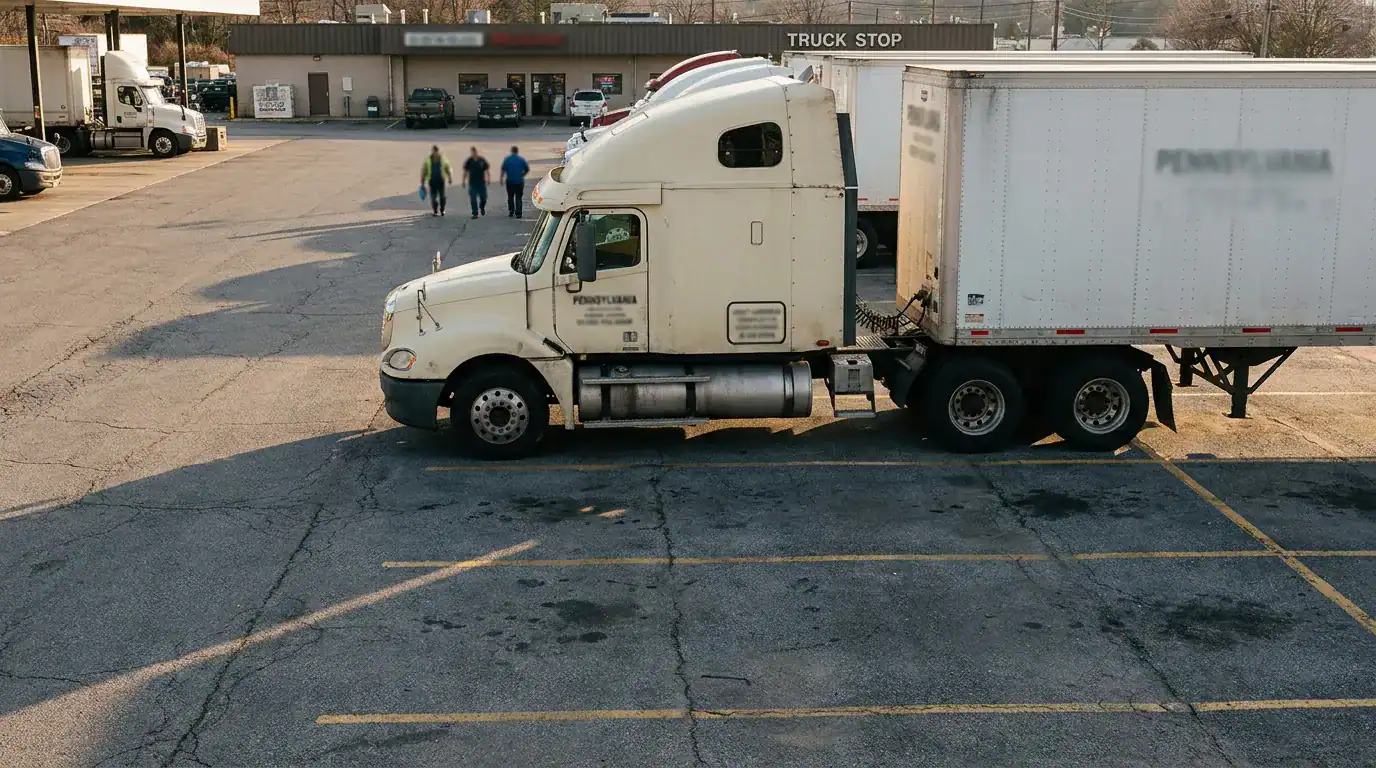
Understanding Who Pays After a Norristown Tractor-Trailer Collision
Key Takeaways: After a tractor-trailer crash in Norristown, liability can extend beyond the driver to the trucking company, cargo loaders, maintenance contractors, parts manufacturers, and even bars that over-served an impaired driver. Pennsylvania’s comparative negligence system apportions fault among parties and allows recovery even when partially at fault, provided your fault does not exceed the defendants’ combined negligence. Each defendant must be tied to the crash through negligence elements: duty, breach, causation, and damages. Commercial trucking falls under state negligence principles and federal safety rules, potentially exposing multiple parties to liability. Prompt preservation of time-sensitive evidence like logbooks and electronic logging device data is essential. Commercial insurance policies typically carry far higher limits than personal auto policies, making identification of all responsible parties critical to full recovery.
When a fully loaded tractor-trailer collides with a passenger vehicle, the question of who is legally responsible is rarely simple. Liability can extend beyond the driver to the trucking company, cargo loaders, maintenance providers, and even a bar that over-served an impaired driver. Because Pennsylvania apportions fault among multiple parties, identifying every responsible defendant is often the difference between partial and full recovery. This article explains how liability works after a tractor-trailer crash in Montgomery County.
If you or a loved one was hurt in a serious collision, the team at Solomon, Berschler, Campbell & Thomas – Norristown Lawyers is ready to help. Call us at 610-279-4300 or reach out through our contact page to discuss your situation.
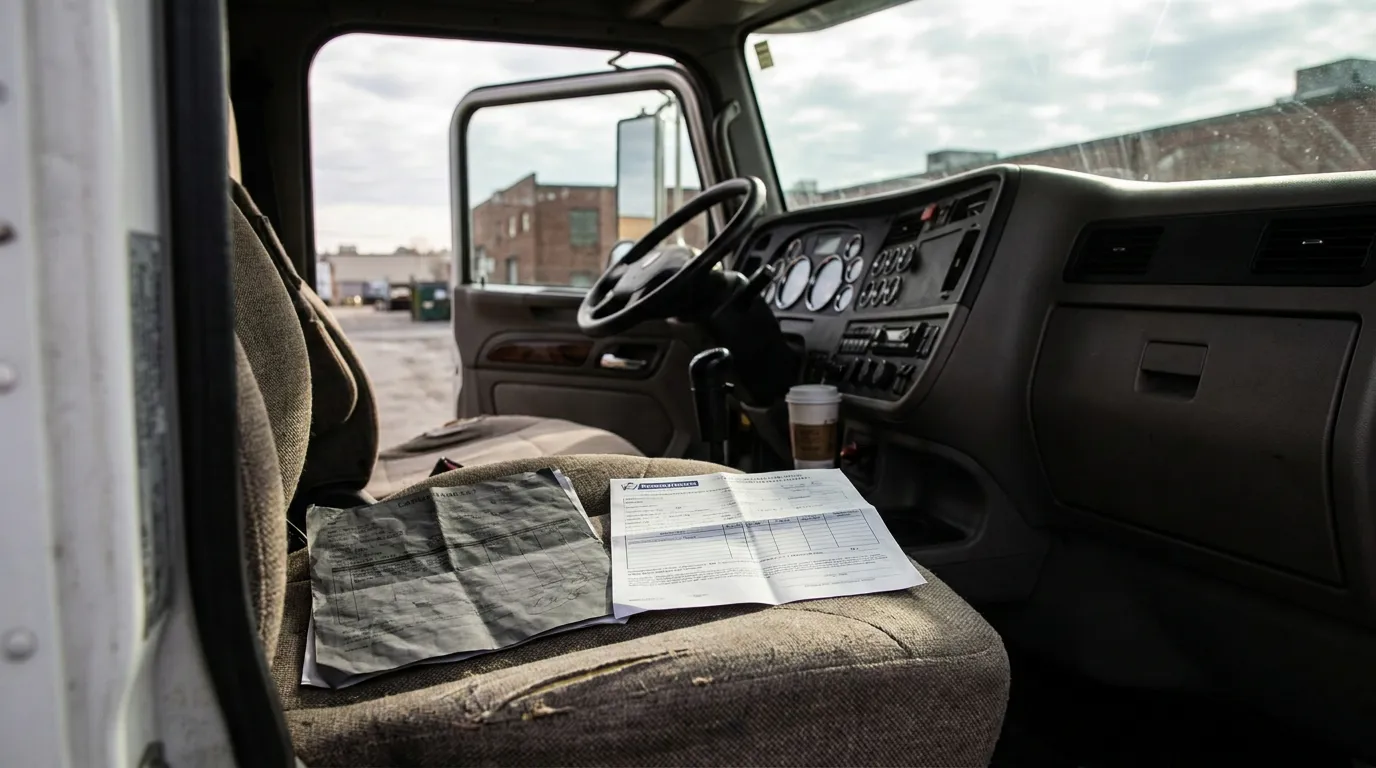
Why Truck Crash Liability Rarely Stops With the Driver
A tractor-trailer collision typically involves layers of responsibility that a standard car accident does not. The Large Truck Crash Causation Study examined serious crashes involving large trucks with a gross vehicle weight rating over 10,000 pounds, drawing from a nationally representative sample of roughly 120,000 large-truck crashes between April 2001 and December 2003. You can review the methodology behind this federal truck crash study to understand the range of contributing factors.
Commercial trucking operations are governed by both state negligence principles and federal safety rules. A single crash may expose several parties to liability. A driver may have violated hours-of-service limits, a carrier may have pressured unrealistic delivery schedules, and a maintenance vendor may have ignored a known defect. Sorting through these possibilities requires prompt investigation while logbooks, electronic logging device data, and maintenance records still exist.
Common Parties Who May Share Fault
Several distinct parties may bear responsibility for a commercial truck crash in Norristown. The specific defendants depend on the evidence, but common categories include:
- The truck driver, for fatigue, distraction, impairment, or unsafe operation
- The motor carrier or trucking company, for negligent hiring, training, or scheduling
- A separate owner of the tractor or trailer, under lease or ownership arrangements
- Cargo loaders responsible for securement failures or improperly balanced loads
- Maintenance contractors who failed to repair or inspect critical components
- A parts manufacturer, where a defective brake or tire contributed to the crash
Each potential defendant must be tied to the crash through the elements of negligence. Duty, breach, causation, and damages remain the framework courts apply. A party is not liable simply because it operates in the trucking industry; evidence must show its conduct fell below the applicable standard of care and contributed to the harm.
How Pennsylvania Comparative Negligence Shapes Recovery
Pennsylvania follows a comparative negligence system that apportions responsibility among multiple at-fault parties rather than denying recovery outright. Comparative negligence equitably apportions responsibility under Pennsylvania law, codified at 42 Pa.C.S. § 7102. This allows an injured party to recover even when partially at fault, so long as that fault does not exceed the combined negligence of the defendants.
This modern rule replaced a far harsher common-law standard. Pennsylvania previously applied contributory negligence, which barred recovery entirely if a plaintiff was even slightly at fault. Understanding this history helps explain why fault allocation is contested aggressively in truck cases. Our discussion of tractor-trailer crash liability walks through the factors courts weigh.
Regulators limit how comparative negligence may be used to reduce a claim. Under 31 Pa. Code § 146.9, comparative negligence should not be applied to a claim settlement to reduce amounts claimants would otherwise be entitled to but for their negligence without reasonable evidence of the negligence and its relativity to the total negligence involved. An insurer cannot simply assign blame without supporting proof.
How Defendants Raise Fault as a Defense
In Pennsylvania civil litigation, comparative and contributory negligence function as affirmative defenses. Under 231 Pa. Code Rule 1030, the affirmative defenses of assumption of the risk, comparative negligence, and contributory negligence need not be pleaded. If a defendant does choose to plead those defenses, they shall be deemed denied and the plaintiff need not reply. This means a trucking company’s insurer may argue your share of fault later in the case, which is why careful evidence preservation matters from the start.
Pennsylvania law also allows contribution among joint defendants. When several parties share responsibility for one crash, the Comparative Negligence Act addresses how they may seek contribution from one another. This affects how defendants position blame, though your right to pursue full damages from responsible parties generally remains the priority.
How a Truck Accident Lawyer Norristown PA Victims Trust Builds the Case
Proving liability after a commercial truck crash depends on moving quickly to secure time-sensitive evidence. A truck accident lawyer Norristown PA residents rely on will work to preserve driver logbooks, electronic logging device data, maintenance histories, cargo manifests, and dashcam footage before they are lost or overwritten. Independent inspection of the tractor-trailer and expert accident reconstruction often follow. These steps help establish which parties breached their duties and how each contributed to the collision.
Insurance coverage is another critical piece of the liability puzzle. Pennsylvania sets minimum bodily injury liability limits at $15,000 per person and $30,000 per accident. Pennsylvania auto policies also include Medical Benefits coverage with a minimum limit of $5,000.
Bodily injury liability coverage pays damages for which the insured is liable when the insured injures someone in an auto accident, including medical and rehabilitation expenses. Commercial trucking policies typically carry far higher limits than personal auto policies, which is why identifying the correct corporate defendant matters. You can review the state’s overview of Pennsylvania auto insurance rules for additional context.
💡 Pro Tip: Request that the trucking company preserve its electronic logging device data in writing as soon as possible. This data can overwrite on a rolling cycle, and a preservation letter may help prevent the loss of evidence that shows fatigue or hours-of-service violations.
When a Bar or Tavern May Share Responsibility
In limited circumstances, a bar or tavern that unlawfully served an impaired truck driver may also face liability. Pennsylvania’s dram shop framework is grounded in the Liquor Code, 47 P.S. §§ 1-101 to 8-803, which provides a statutory basis for third-party liability. Pennsylvania law can extend liability to establishments whose negligence per se derives from the service of alcohol to visibly intoxicated customers.
This theory applies only under specific factual conditions. The injured party must show the driver was visibly intoxicated at the time of service and that the unlawful service contributed to the crash. Courts interpret these requirements carefully, and outcomes are highly fact-dependent. For a broader overview, see our Norristown truck accident attorney practice page.
Practical Steps After a Semi-Truck Injury in Norristown
Taking the right early steps can protect both your health and your potential claim. While every case differs, the following actions are generally helpful after a commercial truck crash in Montgomery County:
- Seek prompt medical care and follow through with treatment
- Document the scene with photos, including the truck, cargo, and road conditions
- Obtain names and contact information from witnesses
- Preserve all crash-related paperwork and correspondence
- Avoid giving recorded statements to insurers before consulting counsel
Remember that these are general guidelines, not individualized legal advice. The strength of a semi-truck injury Norristown claim depends on the specific facts, available evidence, and applicable deadlines. Speaking with counsel early can help you understand how Pennsylvania’s fault rules may affect your circumstances.
Frequently Asked Questions
1. Can I still recover if I was partly at fault for the crash?
Possibly, yes. Pennsylvania’s comparative negligence system allows recovery as long as your share of fault does not exceed the combined fault of the defendants, though your award may be reduced by your percentage of responsibility.
2. Is the trucking company automatically liable for its driver’s actions?
Not automatically. Liability depends on whether the driver was acting within the scope of employment and whether the company itself was negligent in hiring, training, scheduling, or maintenance. Each theory must be supported by evidence.
3. What evidence is most important in a tractor-trailer crash case?
Time-sensitive records often carry significant weight. Driver logbooks, electronic logging device data, maintenance files, cargo documentation, and video footage can all help establish fault, which is why prompt preservation is important.
4. Can more than one party be held responsible for a single crash?
Yes. A driver, motor carrier, cargo loader, maintenance provider, and in some cases a tavern may each share liability, and Pennsylvania law addresses contribution among these joint defendants.
5. How does insurance affect what I can recover?
Insurance coverage shapes the practical value of a claim. Commercial trucking policies typically carry higher limits than personal auto policies, and identifying every responsible party can expand the coverage available to compensate you.
Bringing the Liability Picture Into Focus
Determining who can be held liable after a tractor-trailer crash in Norristown requires looking past the driver to every party whose negligence contributed to the collision. Pennsylvania’s comparative negligence framework, its dram shop provisions, and its insurance requirements all shape how responsibility and compensation are allocated. Because these cases are fact-intensive and evidence can disappear quickly, acting promptly is essential. Outcomes always depend on the specific circumstances of each crash.
If you are coping with serious injuries after a commercial truck collision, the attorneys at Solomon, Berschler, Campbell & Thomas – Norristown Lawyers are prepared to investigate every source of liability on your behalf. Call a dedicated truck accident lawyer Norristown PA families count on at 610-279-4300, or request a consultation online to learn how Pennsylvania law may apply to your case.