

When a Grocery Store Crosses the Line Into Negligence
Key Takeaways: A Norristown grocery store can be held liable for a slip and fall only when the injured shopper proves the store’s negligence caused the fall, not simply that a fall occurred. Under Pennsylvania premises liability law, shoppers are invitees owed the highest duty of care, requiring stores to inspect for, correct, and warn of hazards. The central challenge is proving the store had actual or constructive notice of the danger, making prompt evidence like photos and preserved surveillance footage critical. Pennsylvania’s modified comparative negligence rule allows recovery even when a shopper is partly at fault, but bars the claim entirely if the shopper’s fault is greater than the store’s. Successful claimants may recover medical expenses and lost wages, which matters greatly since falls are the leading cause of injury among older adults. Acting quickly to document the scene and consulting an attorney early can help satisfy each element and protect your right to compensation.
Under Pennsylvania premises liability law, a grocery store is not automatically responsible every time a customer falls. Liability depends on whether the store failed to maintain reasonably safe conditions or warn of a known hazard, and whether that failure caused injury. The fall alone is not enough; the facts surrounding the hazard matter.
If you were hurt while shopping, the team at Solomon, Berschler, Campbell & Thomas – Norristown Lawyers is ready to help. Call us at 610-279-4300 or reach out through our contact page to discuss your options.
Premises Liability and Why Your Status as a Shopper Matters
Premises liability holds property owners accountable when unsafe conditions on their property cause injuries. This area of law covers slip-and-fall accidents. Grocery stores, as commercial occupiers, owe a duty to keep their aisles, entrances, and parking areas reasonably safe. When they fall short, an injured customer may have grounds to pursue a claim.
The Invitee Distinction
The duty a property owner owes depends on the visitor’s legal status: invitee, licensee, or trespasser. Grocery store shoppers are generally treated as business invitees, the category owed the highest duty of care. A store invites the public in for business purposes, so it must inspect for hazards, correct them within a reasonable time, and warn of dangers it knows about or should discover. Learn more about how these duties apply on our premises liability and slip-and-fall accidents page.
Common Grocery Store Hazards
Grocery stores present numerous ways for customers to fall. Research published in Ergonomics on slip, trip, and fall occupational injury found these incidents accounted for 20 to 40 percent of disabling occupational injuries in developed countries, underscoring their prevalence in commercial settings. Typical hazards include:
- Spilled liquids or produce left unattended in aisles
- Recently mopped floors without warning signs
- Leaking refrigeration or freezer units
- Tracked-in rain, snow, or ice near entrances
- Torn mats, uneven flooring, or loose displays
Proving Notice: The Heart of a Grocery Store Claim
The central challenge in most grocery store cases is proving the store knew or should have known about the hazard. Liability is based on negligence, meaning the property owner failed to maintain safe conditions or warn about a danger they knew of or should have discovered. An injured shopper must show the store had either actual notice of the spill or constructive notice, meaning the hazard existed long enough that a reasonable store should have found and fixed it.
Constructive notice is often the deciding factor when no employee saw the spill. How long a puddle sat on the floor, whether staff conducted regular inspections, and whether surveillance footage exists can all influence the outcome. Understanding how constructive notice works in a slip-and-fall case is pivotal before assuming a claim is strong or weak. Outcomes are highly fact-dependent, and evidence disappears quickly.
💡 Pro Tip: If you can safely do so after a fall, photograph the hazard, the surrounding area, and the absence of warning signs before store employees clean it up. This evidence can be difficult to recreate later.
Comparative Negligence and What It Means for Your Recovery
Pennsylvania follows a modified comparative negligence system, which affects how much an injured shopper can recover. Under 42 Pa.C.S. § 7102, an injured person can still recover damages even if partly at fault, but recovery is reduced in proportion to their share of fault. These comparative negligence principles apply to causes of action accruing on or after September 7, 1976.
There is, however, a threshold that can bar a claim entirely. If the injured person’s negligence is greater than the store’s (or the combined negligence of all defendants), the claim is barred completely, no recovery for a shopper more than 50 percent responsible. A customer who was distracted, ignored a visible warning cone, or entered a clearly marked closed area may see compensation reduced or eliminated. Courts weigh these facts carefully.
| Shopper’s Share of Fault | General Effect on Recovery |
|---|---|
| Not greater than the store’s fault | Damages reduced proportionally |
| Greater than the store’s fault | Claim barred entirely |
Damages, Injuries, and Why Falls Are So Serious
Successful premises liability claimants may recover medical expenses and lost wages. Victims may also seek compensation for lasting effects. Establishing damages requires documentation, which is why prompt medical care and thorough records matter in a store liability slip and fall claim.
Falls are far from minor, especially for older shoppers. Falls are the leading cause of both fatal and nonfatal injuries among adults 65 and older. Roughly one in four older adults falls each year, over 14 million people, and about 37 percent of those who fall report an injury requiring medical treatment, amounting to an estimated nine million fall injuries annually. Research on the circumstances surrounding older-adult falls emphasizes that understanding how behavioral and environmental factors interact is essential to determining causation, an analysis that parallels the legal question in a premises liability case.
The severity of these injuries is rising. The age-adjusted fall death rate increased by 21 percent, from roughly 65 per 100,000 older adults in 2018 to over 78 per 100,000 in 2024. These figures explain why a wet floor injury in Norristown can carry consequences far beyond a bruise.
How a Slip and Fall Attorney Norristown PA Residents Rely On Can Help
A slip and fall attorney Norristown PA residents trust can help gather the evidence needed to satisfy each element of a premises liability claim. That means establishing the store’s duty to maintain and warn, showing actual or constructive notice of the hazard, connecting the condition to your injury, and documenting damages. Insurance adjusters often move quickly to limit payouts, so having guidance early can preserve evidence.
Practical Steps After a Grocery Store Fall
What you do after a fall can shape a Montgomery County slip and fall claim. Consider these steps, keeping your health first:
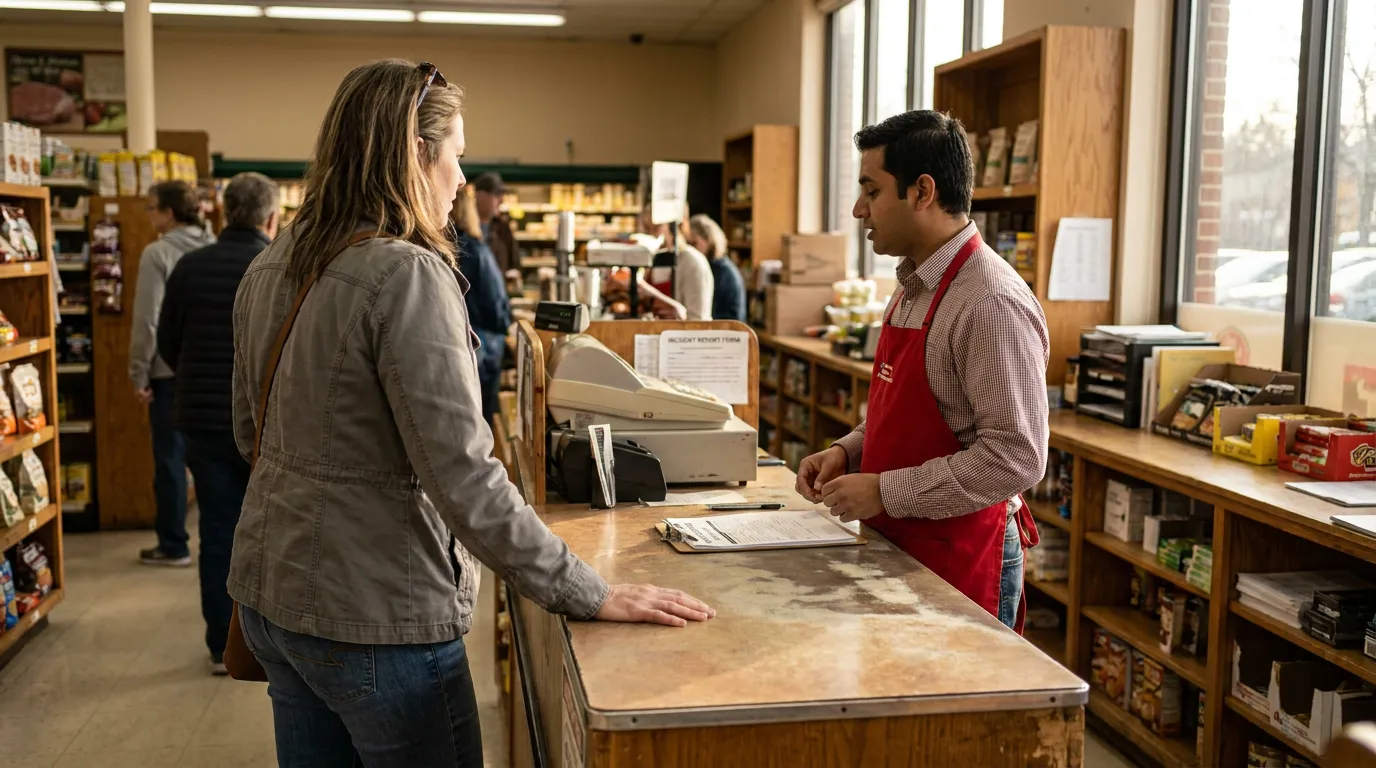
- Report the fall to a store manager and ask that an incident report be created
- Seek medical attention promptly, even if symptoms feel minor
- Keep your shoes, clothing, and receipts from the visit
- Note the names of any employees or witnesses present
- Avoid giving a recorded statement to an insurer before understanding your rights
💡 Pro Tip: Ask the store, in writing, to preserve surveillance footage. Many systems overwrite recordings within days.
Frequently Asked Questions
-
How long do I have to file a slip and fall claim in Pennsylvania?
Pennsylvania generally applies a two-year statute of limitations to personal injury claims. In limited circumstances, exceptions may apply, such as when the injured person is a minor or the injury was not immediately discoverable, but courts interpret these narrowly. Confirm your specific deadline promptly rather than assume additional time exists.
-
Does the store have to admit fault for me to recover?
No, a store does not need to admit fault. Liability turns on whether evidence shows negligence. Photographs, witness accounts, inspection logs, and video footage can all support a claim even when the store denies responsibility.
-
What if I was partly to blame for my fall?
You may still recover under Pennsylvania’s modified comparative negligence rule. As long as your share of fault is not greater than the store’s, your damages are reduced proportionally. If your fault exceeds the store’s, the claim is barred.
-
Are grocery store shoppers owed a higher duty of care?
Generally, yes, because shoppers are typically classified as invitees. Invitees are owed the highest duty, which includes a duty to inspect for and address hazards. This status often works in an injured customer’s favor.
-
What kinds of hazards commonly lead to grocery store falls?
Wet floors, spilled products, tracked-in precipitation, and damaged flooring are frequent culprits. Owners may be liable when they fail to maintain safe conditions or warn of dangers they knew of or should have discovered. Whether any specific hazard supports a claim depends on the surrounding facts.
Protecting Your Right to Compensation
A grocery store in Norristown can be held liable for a slip and fall when a shopper proves negligence, notice, causation, and damages. Pennsylvania’s premises liability and comparative negligence rules create a framework that can favor injured invitees, but the outcome depends on the specific facts and strength of evidence. Acting quickly to document the scene and preserve records can make a real difference.
If you were injured at a Norristown grocery store, you do not have to navigate this process alone. Reach out to Solomon, Berschler, Campbell & Thomas – Norristown Lawyers today, call our office at 610-279-4300, or schedule a consultation online to learn how a trusted slip and fall attorney Norristown PA community members rely on may be able to help protect your right to compensation.