
Understanding Constructive Notice in Norristown Slip and Fall Claims
Key Takeaways: Constructive notice holds property owners liable for dangerous conditions they should have discovered through reasonable inspection, even without actual knowledge. Pennsylvania law recognizes three paths to proving liability: actual notice, constructive notice, and owner-created conditions. The duration a hazard existed before the fall is critical to establishing constructive notice. Property owners owe reasonable care, not guaranteed safety. Landlords out of possession may share liability if they knew or should have known about defects. Pennsylvania’s two-year statute of limitations makes prompt action essential.
If you slipped and fell on someone else’s property in Norristown, understanding "constructive notice" is crucial to your claim. Constructive notice means the property owner didn’t actually know about a dangerous condition but should have known through reasonable inspection. Under Pennsylvania law, property owners aren’t insurers of your safety. Liability attaches only when the owner had actual or constructive notice of the defect. This principle, established in Lanni v. Pennsylvania R.R. Co., shapes slip and fall claims throughout Montgomery County.
If you were injured in a slip and fall, Solomon, Berschler, Campbell & Thomas – Norristown Lawyers can evaluate your case. Call 610-279-4300 or reach out online.

What Is Constructive Notice in a Slip and Fall Case?
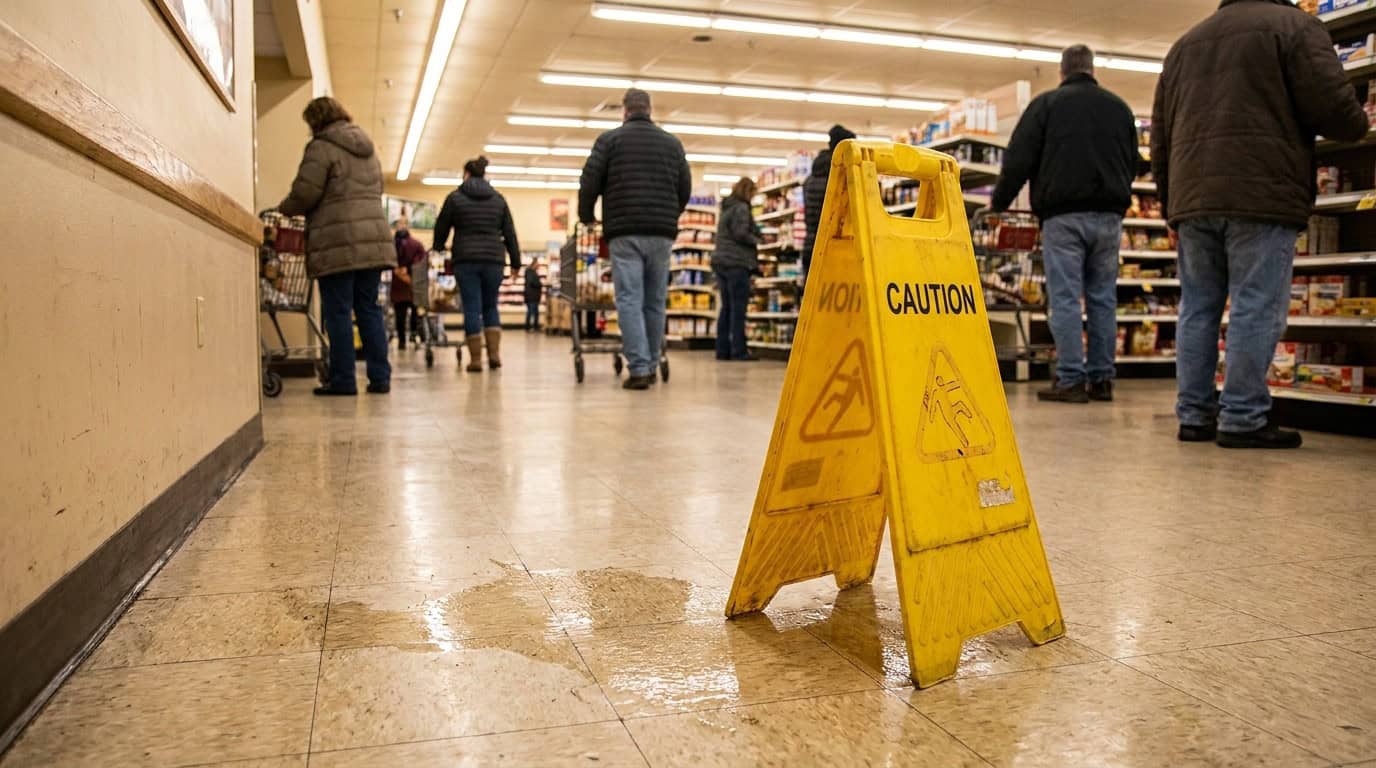
Constructive notice holds property owners responsible for dangerous conditions they didn’t observe but should have discovered. Under Pennsylvania premises liability law, constructive notice applies when a hazardous condition existed long enough that reasonable inspection would have revealed it. If a hazard like a puddle, ice patch, or broken step existed on a Norristown property long enough for discovery through reasonable inspection, the owner may be liable.
The constructive notice requirement serves as a fairness check. It prevents recovery simply because an accident happened while holding accountable owners who fail to exercise reasonable diligence in inspecting and maintaining their premises.
Three Ways to Prove a Property Owner’s Liability in Pennsylvania
Pennsylvania law, established in Lanni v. Pennsylvania R.R. Co., recognizes three paths to prove property owner liability. Understanding which applies to your situation is critical because each requires different evidence.
Actual Notice, Constructive Notice, and Owner-Created Hazards
Actual notice means the property owner knew about the dangerous condition before your fall. Perhaps an employee saw the spill or a customer reported the broken handrail. This is straightforward but often hardest to prove without direct testimony or documentation.
Constructive notice means the owner should have known about the hazard. The plaintiff must show the dangerous condition existed long enough to be discovered through reasonable inspection. A large puddle near a leaking freezer in a Norristown grocery store accumulating for hours may support constructive notice.
The third path involves proving the property owner or its agents created the dangerous condition. If a store employee mopped a floor without posting warning signs, the plaintiff doesn’t need to prove notice because the defendant caused the hazard.
| Theory of Liability | What You Must Show | Common Evidence |
|---|---|---|
| Actual Notice | Owner knew about the hazard | Incident reports, employee testimony, prior complaints |
| Constructive Notice | Hazard existed long enough to be discoverable | Condition of the hazard (dust, dirt accumulation), witness testimony about timing |
| Owner-Created Condition | Owner or agent caused the hazard | Surveillance footage, employee activity logs, maintenance records |
💡 Pro Tip: After a slip and fall, photograph the hazardous condition from multiple angles. Images showing dust, dirt, or grime can help establish the hazard existed for a long time, key to proving constructive notice.
Why Timing and Evidence Matter So Much
The length of time a dangerous condition existed before your fall is critical in constructive notice cases. Pennsylvania courts have made clear that if a hazardous substance could have appeared minutes before the fall with no evidence of duration, the plaintiff cannot establish constructive notice. This protects property owners from liability for conditions they had no realistic opportunity to discover.
Consider the contrast between strong and weak constructive notice claims. In Juarbe v. City of Philadelphia, the Pennsylvania Superior Court reversed summary judgment where a plaintiff slipped on accumulated petroleum products, examining whether the defendant had constructive notice. Conversely, in Lanni, the Pennsylvania Supreme Court entered judgment where evidence was insufficient to establish constructive notice of a grease spot.
These cases show that even physical signs suggesting prolonged presence may not always suffice. Each case turns on its facts, and courts evaluate the totality of evidence before determining whether constructive notice exists.
💡 Pro Tip: If employees or bystanders witnessed the condition before your fall, get their contact information immediately. Witness statements about duration can be powerful evidence for your slip and fall claim in Norristown.
The Property Owner’s Duty of Reasonable Care
Pennsylvania property owners don’t guarantee visitor safety. As established in Lanni and reaffirmed in Stais v. Sears-Roebuck, property owners owe business visitors a duty of reasonable care. They must correct unsafe conditions discoverable through reasonable care and diligence. The mere happening of an accident isn’t evidence of negligence. The plaintiff bears the burden of proving negligence was the proximate cause of injury.
What "Reasonable Inspection" Means in Practice
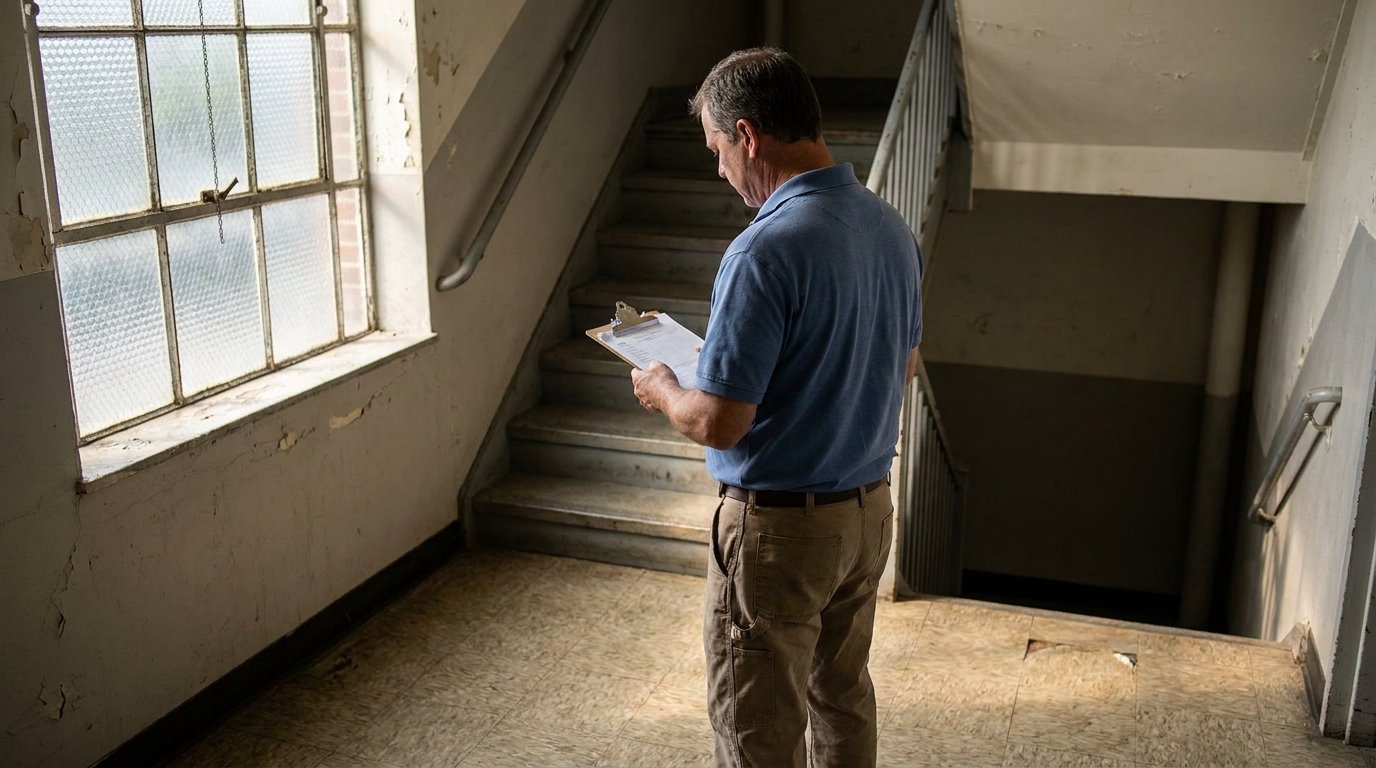
Reasonable inspection doesn’t require monitoring every square inch constantly. However, it requires routine checks, especially in high-traffic areas. A Norristown store owner who never inspects aisles during business hours may struggle to argue they lacked constructive notice of a prolonged spill.
Courts consider factors including business nature, foot traffic volume, and hazard type when assessing inspection reasonableness. A busy Norristown supermarket faces higher inspection standards than a small office building with limited visitors.
💡 Pro Tip: Conjecture or speculation about how a dangerous condition arose don’t constitute sufficient proof. You need concrete evidence, not guesswork.
Landlord Liability for Out-of-Possession Properties
Under Pennsylvania law, landlords who’ve leased property and are out of possession aren’t ordinarily responsible for tenant injuries. However, exceptions exist when the landlord knew or should have known of defects at leasing, retained control over common areas, or made contractual repair obligations. This matters in Norristown’s many commercial and residential leased properties. Determining responsibility depends on lease terms, defect nature, and whether the landlord had constructive notice.
💡 Pro Tip: If you fell on leased property, don’t assume only the tenant is responsible. A premises liability attorney can review the lease to determine landlord liability.
Protecting Your Right to File a Slip and Fall Claim
Pennsylvania’s statute of limitations for personal injury cases, including slip and falls, is two years from the accident date. This deadline applies whether your case involves actual notice, constructive notice, or owner-created hazards. Missing this window generally bars recovery, though narrow exceptions like the discovery rule may apply. If you were hurt in a Norristown slip and fall, prompt action preserves evidence and protects legal rights. To learn what steps to take after a slip and fall, act quickly to strengthen your case.
💡 Pro Tip: Seek medical attention immediately after a fall. Medical records documenting injuries close to the accident create a clear link between incident and harm, strengthening negligence and causation elements.
Frequently Asked Questions
1. What is the difference between actual notice and constructive notice in a slip and fall case?
Actual notice means the property owner had direct knowledge of the dangerous condition before the accident. Constructive notice means they lacked direct knowledge but should have discovered the hazard through reasonable inspection. Both can support Pennsylvania slip and fall claims but require different proof.
2. How long does a hazard need to exist before constructive notice applies?
There’s no fixed time period. Pennsylvania courts evaluate whether the condition existed long enough for discovery and was ascertainable upon legally required inspection. A substance appearing moments before your fall may not establish constructive notice.
3. Can I still recover compensation if the property owner did not know about the hazard?
Yes. If you demonstrate constructive notice, that the owner should have known through reasonable diligence, you may recover. Alternatively, if the owner or employees created the dangerous condition, knowledge isn’t required.
4. What evidence helps prove constructive notice in Pennsylvania?
Evidence showing prolonged existence is helpful:
- Photographs showing dust, dirt, or debris accumulation
- Witness testimony about duration
- Maintenance logs showing inspection gaps
- Surveillance footage capturing the hazard timeline
5. What is the filing deadline for a Norristown slip and fall lawsuit?
Pennsylvania’s personal injury statute of limitations is two years from the accident date. While limited exceptions like the discovery rule may apply, courts interpret these narrowly, making prompt action strongly recommended.
Take Action to Protect Your Slip and Fall Claim
Constructive notice is a fact-intensive legal concept that can determine whether your Norristown slip and fall case succeeds. Proving a property owner should have known about a dangerous condition requires strong evidence, timely action, and thorough understanding of Pennsylvania premises liability law. Your claim’s strength may depend on details captured immediately following your accident.
If you or a loved one was injured in a Norristown or Montgomery County slip and fall, Solomon, Berschler, Campbell & Thomas – Norristown Lawyers is ready to review your case. Call 610-279-4300 or contact us today.