

Paying Medical Bills After a Norristown Crash When You Have No Auto Insurance
Key Takeaways: If you were hurt in a car crash in Pennsylvania, live in the state, don’t own a vehicle that must be registered, and have no other first-party benefits, the Pennsylvania Assigned Claims Plan may pay up to $5,000 for reasonable and necessary medical treatment. The $5,000 cap is one total limit for the whole claim, not a separate amount for each provider or bill. Providers may be paid at regulated rates under 75 Pa.C.S. § 1797. The Plan does not pay income loss or accidental death benefits. You can be barred from benefits if you contributed to your own injury while intentionally injuring yourself or someone else, committing a felony, fleeing lawful arrest, or knowingly converting a vehicle. If the at-fault driver failed to carry required insurance, § 1754 may allow up to $15,000 for losses or damages you could recover from that driver, minus any medical benefits paid or payable under § 1753. All claims from one accident are subject to a $30,000 combined limit. A lawsuit to recover Plan benefits generally must be filed within four years of the accident. For an injured minor, the deadline may be calculated from the minor’s 18th birthday.
After a car crash, an injured person who has no auto insurance of their own may be able to get help through the Pennsylvania Assigned Claims Plan. If you qualify, the Plan may pay up to $5,000 in medical benefits for reasonable and necessary treatment. It does not pay for lost income or accidental death benefits. If you were a pedestrian or passenger in a Norristown car accident and you don’t own a car or have a household auto policy to claim under, it helps to know how this limit works before the medical bills start arriving.
Every case depends on its own facts, and eligibility rules can be strict. The team at Solomon, Berschler, Campbell & Thomas – Norristown Lawyers can look at your situation and explain what coverage may be available. Call 610-279-4300 or contact us now to talk about your Norristown injury claim.
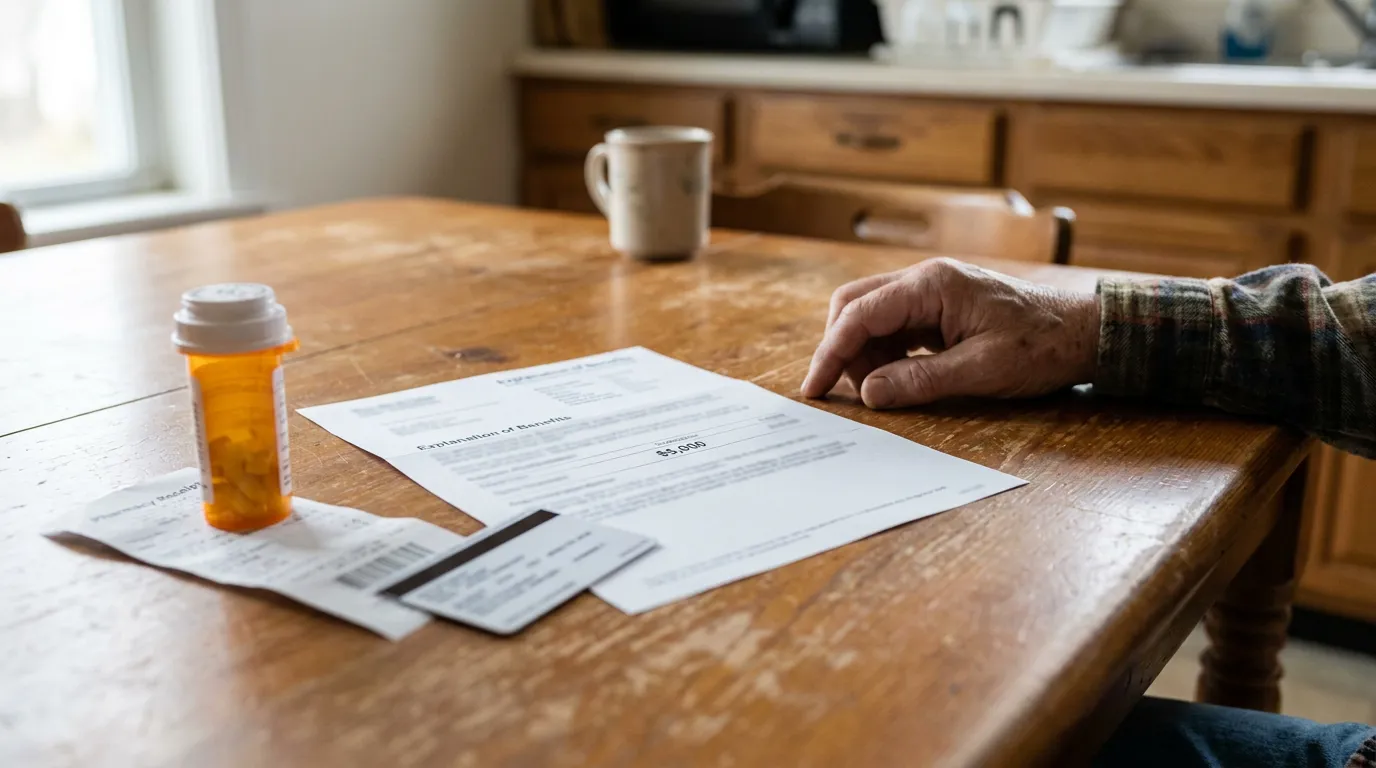
What the Pennsylvania Assigned Claims Plan Is Meant to Do
The Plan is a safety net created by the Pennsylvania Motor Vehicle Financial Responsibility Law (MVFRL), 75 Pa.C.S. §§ 1701, 1799.7. It is meant for injured people who would otherwise have no first-party coverage at all. The full statutory text, including the Assigned Claims Plan provisions, is published in Title 75 of the Pennsylvania Consolidated Statutes.
The $5,000 figure matches the minimum medical benefit an insured driver has. Under 75 Pa.C.S. § 1711(a), an insurer issuing a liability policy on a vehicle registered and operated in Pennsylvania must include at least $5,000 in medical benefits. Section 1711 does not apply to motorcycles, motor-driven cycles, motorized pedalcycles, or similar vehicles.
Who Qualifies for Assigned Claims Medical Coverage
To qualify under 75 Pa.C.S. § 1752(a), you generally must meet all of these conditions:
- You are a Pennsylvania resident
- You were injured in a motor vehicle accident that happened in Pennsylvania
- You do not own a motor vehicle that is required to be registered
- You are not entitled to any other first-party benefits for the injury
- You were not driving or riding in a federally owned vehicle, or a vehicle owned by a self-insurer or by someone who is immune from liability or not required to provide benefits or UM/UIM coverage
- You were not riding a motorcycle, motor-driven cycle, motorized pedalcycle, or off-road recreational vehicle involved in the accident
A typical example might be a Norristown pedestrian hit by a car who doesn’t own a vehicle and has no relative’s policy to turn to. If any other source of Pennsylvania first-party benefits applies, such as a household relative’s policy or the policy on the vehicle involved, you are generally not eligible for the Plan.
Conduct That Can Disqualify You
Even if you meet every condition above, 75 Pa.C.S. § 1752(b) may still bar you from benefits. You may be ineligible if you contributed to your own injury while intentionally injuring or trying to injure yourself or someone else, while committing a felony, while fleeing lawful arrest or apprehension, or while knowingly converting (taking) a motor vehicle. Insurers sometimes raise these defenses, so you may need to respond with facts about what actually happened.
💡 Pro Tip: Write down whether you or anyone in your household owns a registered vehicle or holds an auto policy. Questions about household coverage often decide whether the Plan claim can go forward.
How the $5,000 Medical Benefits Cap Applies to Your Bills
Under § 1753, an eligible claimant may recover medical benefits of the kind described in § 1712(1), up to a total of $5,000. The cap is a total ceiling for the claim. It is not a separate $5,000 per provider or per bill.
What Counts Toward the Limit
Section 1712(1) covers reasonable and necessary medical treatment and rehabilitative services. That includes hospital, dental, surgical, psychiatric, psychological, osteopathic, ambulance, chiropractic, licensed physical therapy, nursing, vocational rehabilitation and occupational therapy, medication, medical supply, and prosthetic expenses. These charges are also subject to the cost containment limits in 75 Pa.C.S. § 1797, so providers may be paid at regulated rates instead of their full billed amounts.
What the Plan Does Not Cover
Section 1753 states that no income loss benefit or accidental death benefit is payable under the Plan. If you miss work while you recover, the Plan generally will not replace those wages. This gap is one reason uninsured accident medical expenses and other losses often have to be pursued from other sources.
| Benefit Type | Available Under the Plan? | Statute |
|---|---|---|
| Medical benefits | Yes, up to $5,000 | 75 Pa.C.S. § 1753 |
| Income loss | No | 75 Pa.C.S. § 1753 |
| Accidental death benefit | No | 75 Pa.C.S. § 1753 |
| Additional losses (at-fault party uninsured) | Up to $15,000, minus medical benefits | 75 Pa.C.S. § 1754 |
Additional Coverage When the At-Fault Driver Is Uninsured
Section 1754 may provide more money when the at-fault party failed to comply with the MVFRL’s financial responsibility requirements. If you have no other uninsured motorist coverage and could recover damages from that at-fault party, you may be able to recover up to $15,000 for those losses or damages. All claims arising from one accident share a combined limit of $30,000.
These amounts do not simply stack on top of each other. Medical benefits you recovered, or could have recovered, under § 1753 (up to $5,000) are subtracted from the § 1754 amount. For example, a person who received the full $5,000 in medical benefits would generally have up to $10,000 left under § 1754, depending on the facts and the per-accident limit.
How Pennsylvania Courts Have Interpreted These Benefit Limits
Pennsylvania appellate courts have decided disputes over the Plan many times, especially in the years after the MVFRL took effect. Published appellate opinions, such as the Pennsylvania Supreme Court’s 1995 decision in Penn. Assigned Claims Plan v. English, 541 Pa. 424, address how Plan eligibility and benefit rules apply. Each ruling depends on its own facts, so an older decision may help explain the law without settling the outcome of your claim.
Courts generally read the eligibility requirements according to the statute’s text. That makes the facts of your case very important, including vehicle ownership, residency, and the details of the accident. Medical records, witness statements, and the police report may help establish both eligibility and the extent of your injuries.
Deadlines and What Happens After the Plan Pays
Under 75 Pa.C.S. § 1757(a), a lawsuit to recover benefits from the Plan generally must be filed within four years of the accident. Under § 1757(b), if the injured person is a minor, the four years may be measured from the minor’s 18th birthday. Courts often read exceptions to these deadlines narrowly. This Plan deadline is separate from the two-year deadline that generally applies to a personal injury lawsuit against the at-fault driver.
Under 75 Pa.C.S. § 1756, the Plan or its assignee may seek repayment from the responsible party. That repayment can include the benefits paid, loss adjustment costs, and other sums paid to the claimant. This means an uninsured at-fault driver may later be pursued for the money the Plan spent. If you have coverage that runs out before you heal, our guide on what happens when PIP coverage runs out explains related options.
💡 Pro Tip: Keep every bill, explanation of benefits, and receipt in one folder. Clear records make it easier to show which charges count toward the $5,000 limit and which losses may need another source of payment.
Frequently Asked Questions
1. Can I use the Plan if I own a car but it was uninsured?
Generally, no. Under § 1752(a), you are not eligible if you own a motor vehicle that is required to be registered, even if it was uninsured.
2. Does the $5,000 cover lost wages?
No. Section 1753 excludes income loss benefits and accidental death benefits.
3. What if my medical bills are more than $5,000?
The Plan’s medical benefit stops at $5,000. If the at-fault driver was uninsured, § 1754 may provide additional recovery, reduced by the medical benefits paid or payable. You may also have other claims depending on the facts.
4. How long do I have to file?
Generally four years from the accident under § 1757. For minors, the four years may be measured from their 18th birthday. Acting early helps protect your rights.
5. Can pedestrians qualify?
In many cases, yes, as long as they meet every requirement of § 1752 and have no other first-party benefits available.
Protecting Your Recovery After a Norristown Crash
The Pennsylvania Assigned Claims Plan may provide eligible injured people up to $5,000 for reasonable and necessary medical care, may provide limited additional recovery when the at-fault driver is uninsured, and has strict eligibility rules and deadlines. A knowledgeable Pennsylvania assigned claims plan lawyer can help you identify possible sources of compensation, including potential claims against the at-fault driver.
You don’t have to sort out these benefit limits by yourself. Reach out to Solomon, Berschler, Campbell & Thomas – Norristown Lawyers by calling 610-279-4300, or schedule your consultation today to discuss your options.
Disclaimer: This content is for informational purposes only and is not legal advice. Every case is unique, and results may vary. Consult an attorney about your specific circumstances.